Napoleon's Story · V
Napoleon's Journeys
From Corsica to Saint Helena: his great routes across Europe and the Mediterranean, campaign by campaign.
On horseback, by carriage, sometimes on foot, and by sea: Napoleon travelled tens of thousands of kilometres, from Madrid to Moscow and from Cairo to Berlin. Choose a journey from the list to see it on the map and read what happened along the way.
At the end of 1778, Napoleon left Corsica with his father. He learned French at the college of Autun, entered the military school at Brienne in May 1779, then the École militaire in Paris in 1784. Commissioned as an artillery lieutenant in 1785, he joined his regiment at Valence.
Ajaccio · Autun · Brienne · Paris · Valence
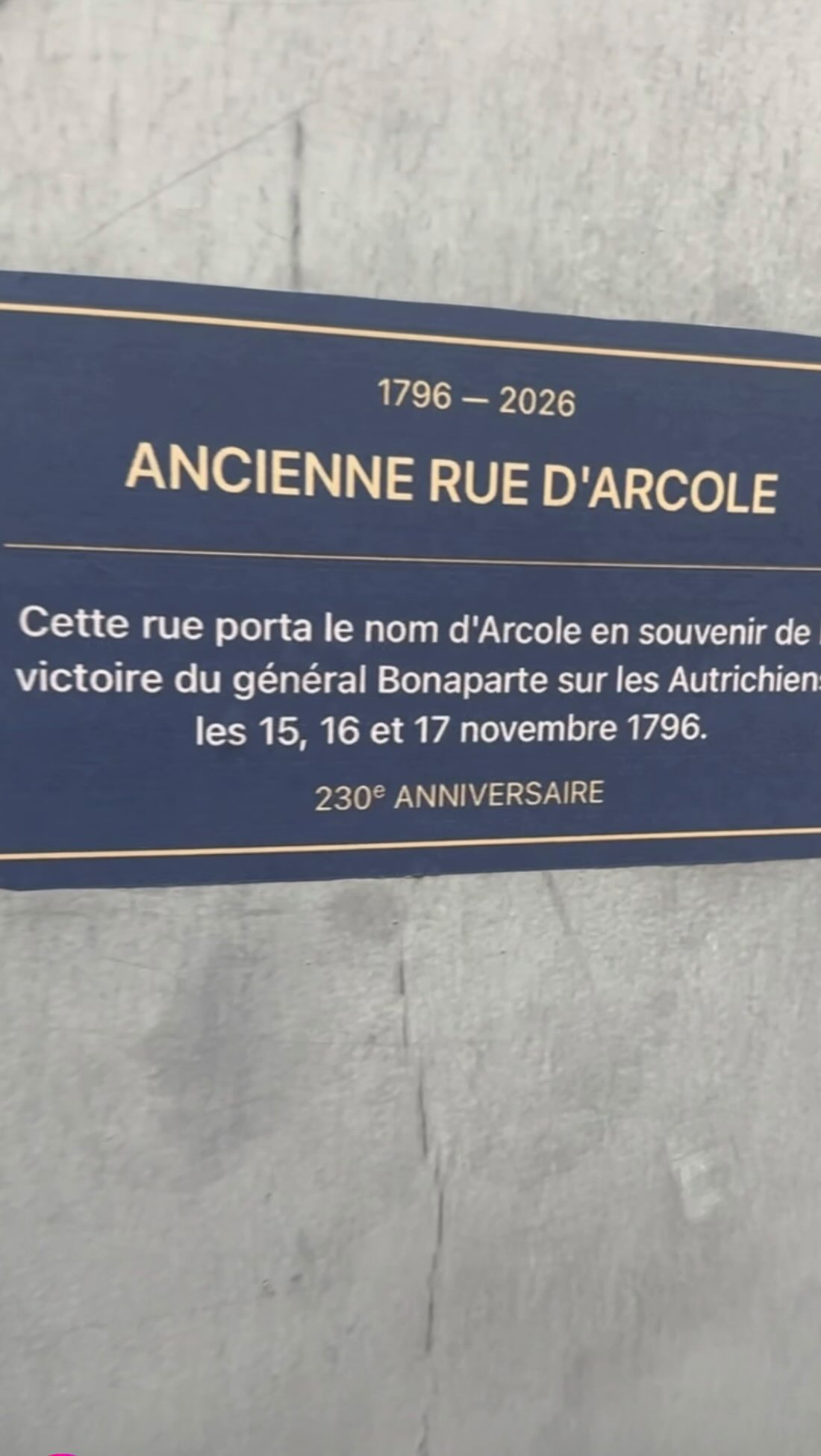
Commander-in-chief of the Army of Italy at twenty-six, he set out from Nice in April 1796. Montenotte, Lodi, Milan, the siege of Mantua, Arcole, Rivoli: in a year he drove the Austrians out of northern Italy and marched towards Vienna as far as Leoben, where preliminary peace terms were signed in April 1797.
Nice · Montenotte · Lodi · Milan · Mantua · Arcole · Rivoli · Leoben
Leaving Toulon in May 1798, he took Malta and landed at Alexandria on 1 July. After the Battle of the Pyramids, he entered Cairo. In 1799 he marched into Syria (El Arish, Jaffa) but failed before Acre. He secretly re-embarked in August and landed near Fréjus on 9 October 1799.
Toulon · Malta · Alexandria · Cairo · El Arish · Jaffa · Acre · Fréjus · Paris
As First Consul, he left Paris in May 1800, joined the Army of the Reserve at Dijon and Geneva, then crossed the still snow-covered Great St Bernard Pass on a mule. He entered Milan on 2 June and won the Battle of Marengo on 14 June.
Paris · Dijon · Geneva · Great St Bernard · Ivrea · Milan · Marengo
At the end of August 1805, the Grande Armée left the camp at Boulogne, where it had been preparing to invade England. Napoleon joined it at Strasbourg, surrounded the Austrians at Ulm (20 October), entered Vienna on 13 November and triumphed at Austerlitz on 2 December.
Boulogne · Paris · Strasbourg · Ulm · Munich · Vienna · Austerlitz
In October 1806 he beat the Prussians at Jena and entered Berlin on 27 October. He spent the winter in Poland, at Warsaw, fought the terrible Battle of Eylau in the snow (February 1807), then won at Friedland. In July 1807 he made peace with the Tsar at Tilsit, on the Niemen.
Paris · Mainz · Würzburg · Jena · Berlin · Posen · Warsaw · Eylau · Friedland · Tilsit
After the Spanish uprising and the surrender at Bailén, Napoleon entered Spain in person in November 1808. He forced the Somosierra pass and retook Madrid on 4 December, then pursued Moore's British army as far as Astorga. In January 1809 he hurried back to Paris, as Austria was threatening war.
Paris · Bayonne · Vitoria · Burgos · Somosierra · Madrid · Astorga · Valladolid
Leaving Paris in April 1809, he joined the army on the Danube, beat Archduke Charles at Eckmühl and took Regensburg, where he was slightly wounded in the foot. He entered Vienna on 13 May, suffered a setback at Aspern-Essling, then won the victory of Wagram on 5 and 6 July.
Paris · Strasbourg · Donauwörth · Eckmühl · Regensburg · Vienna · Aspern-Essling · Wagram
In May 1812 he gathered the allied rulers at Dresden. On 24 June the Grande Armée crossed the Niemen at Kovno. Vilnius, Vitebsk, Smolensk: the Russians fell back. After the bloody Battle of Borodino (7 September), Napoleon entered Moscow on 14 September; the city began to burn the very next day.
Paris · Dresden · Kovno (Niemen) · Vilnius · Vitebsk · Smolensk · Borodino · Moscow
Napoleon left Moscow on 19 October 1812. Blocked at Maloyaroslavets, he took the ravaged road back through Smolensk, in the cold. At the end of November, the army crossed the Berezina on General Éblé's bridges. On 5 December, at Smorgon, he left the army to Murat and hurried home by sleigh and then carriage, reaching Paris on 18 December.
Moscow · Maloyaroslavets · Vyazma · Smolensk · Orsha · The Berezina · Smorgon · Vilnius · Warsaw · Dresden · Paris
With an army of young conscripts, he beat the Russians and Prussians at Lützen and Bautzen in the spring of 1813, then the Allies at Dresden in August. But at Leipzig, the “Battle of the Nations” (16–19 October), he was defeated. He fell back to the Rhine, forcing his way through at Hanau.
Paris · Erfurt · Lützen · Dresden · Bautzen · Leipzig · Hanau · Mainz
January–March 1814: facing the Allied armies invading France, he won victory after victory (Brienne, Champaubert, Montmirail, Montereau, Reims) without being able to stop them. Paris surrendered on 31 March. He abdicated at Fontainebleau on 6 April, crossed Provence and sailed from near Fréjus to Elba, arriving at the beginning of May.
Paris · Châlons · Brienne · Montmirail · Montereau · Craonne · Reims · Arcis-sur-Aube · Fontainebleau · Fréjus · Portoferraio (Elba)
He left Elba and landed at Golfe-Juan on 1 March 1815. Through the Alps (today's “Route Napoléon”), Grenoble and Lyon, he reached Paris on 20 March without a fight. Defeated at Waterloo on 18 June, he abdicated, travelled to Rochefort and surrendered to the British on 15 July. After Plymouth, he was taken to Saint Helena in the South Atlantic, where he arrived in October 1815 and died in 1821.
Portoferraio (Elba) · Golfe-Juan · Digne · Grenoble · Lyon · Paris · Charleroi · Ligny · Waterloo · Rochefort · Plymouth
The lines join the main stages in straight lines: they show the order of the journey, not the exact roads. Sea crossings are curved. Base map: Natural Earth (public domain), present-day coastline.
Souvenirs of his campaigns in our shop